Generative AI (GenAI) has reached roughly 60% school penetration (Joshi, 2025), yet only 20 to 29 percent of educators feel adequately prepared to teach with it (Cheah et al., 2025; Joshi, 2025). Emerging pedagogies, including human centred frameworks for self regulated learning (Kong & Yang, 2024), knowledge building designs that position AI outputs for critique and fact checking (Chen et al., 2023), prompt engineering curricula using TCREI, CLEAR, and CCI (Abaidoo, 2026), collaborative design and collaborative teaching partnerships (Kim & Kwon, 2025), and alignment of goals, activities, and roles (Lin & Tan, 2025), report gains in engagement, computational thinking (Joshi, 2025), and achievement (Garcia et al., 2025). Evidence nonetheless remains mixed, short term, and concentrated in secondary STEM settings (Alfarwan, 2025; Cheah et al., 2025), while ethical risks span algorithmic bias (Kush, 2025; Tran, 2025), data privacy (Marchildon et al., 2024; Mintz et al., 2023), academic integrity (Elmourabit et al., 2024; Schneider et al., 2025), equity and access (Kumar & Vavekanand, 2025), overreliance (Adisa & Adefisayo, 2025; Veintimilla, 2025), and transparency (Bura & Myakala, 2024).
We invite papers on subject specific GenAI pedagogies (Conrad & Rees, 2024; Thida & Landi, 2025; Xia, 2025), elementary and non STEM contexts, teacher AI literacy and professional development (Palmer & Stevens, 2025; Walter, 2024), the reconfiguration of teachers' work (Liang et al., 2025), assessment redesign (Perkins et al., 2023), child protection and privacy preserving design (Han et al., 2024), and longitudinal, objective, and equity focused studies.
Call for Topics
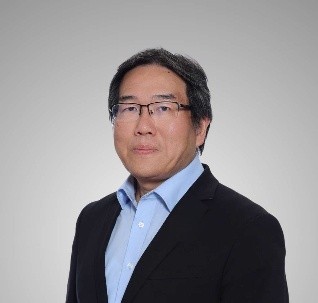
Professor Eric Cheng holds a Doctor of Education in Education Management from the University of Leicester.. Eric has an established record of scholarship in AI-enhanced pedagogy, metacognitive teaching, knowledge management, intellectual capital, and lesson and learning studies. He has published over 100 peer-reviewed works and secured competitive funding for research and development projects. In recognition of his scholarly impact, he was named among the World’s Top 2% Most-Cited Scientists by Stanford University in 2025. Eric is a registered Specialist in the programme accreditation area of Education at The Hong Kong Council for Accreditation of Academic and Vocational Qualifications, a Member of the Institute of Electrical and Electronics Engineers and a Member of the Executive Council of the World Association of Lesson Studies. He has also contributed to school governance as an Independent School Manager for local schools under different sponsoring bodies.
Submission Link: AETS 2026: Special Session 3 Submission